Mattress toppers are thin, cushioning layers placed atop a mattress to enhance comfort, adjust firmness, and extend the life of underlying bedding. They commonly use materials such as natural latex or memory foam, offering pressure relief and improved support for various sleep positions. Understanding topper specifications helps match a product to individual sleep needs and temperature preferences.
Natural latex toppers provide buoyant support, breathability, and durability, making them a popular choice for sleepers seeking long-lasting cushioning. They typically resist dust mites and offer consistent zoning to support the shoulder, hips, and spine alignment. For families, latex toppers can also contribute to a healthier sleep surface by minimizing allergen exposure.
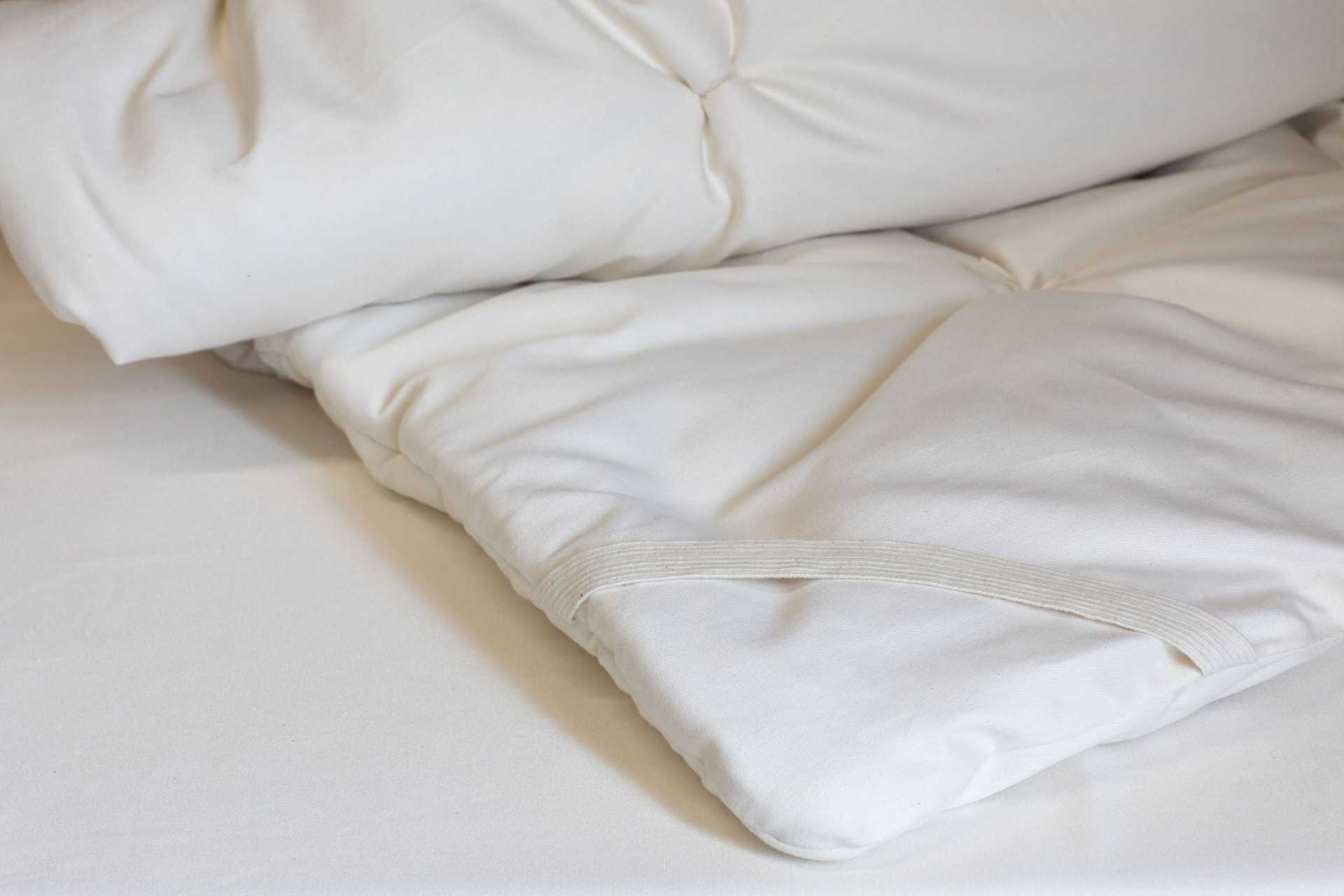
In the realm of child and crib bedding, toppers designed for a child's crib mattress focus on safety, modest thickness, and gentle contouring. A Natural Child's Crib Mattress Topper may incorporate hypoallergenic materials and a soft, non-toxic finish to maintain a comfortable sleep environment while preserving proper air circulation and mattress integrity.
When evaluating toppers, consider firmness level, thickness, and any certifications such asCertiPUR-US or Oeko-Tex. For latex toppers, look for natural or 100% latex options, and assess the loft and potential off-gassing. Proper sizing ensures full surface coverage without overhang, maintaining stability and safety for the sleeper.
Educational guidance on toppers emphasizes compatibility with existing bedding systems, temperature regulation, and care routines. Regular rotation and appropriate cleaning practices preserve comfort and prolong life, while awareness of material properties helps users select toppers that align with bedding ecosystems, including organic mattresses and other natural sleep products.
 Bedding