A Plume of Options: What toppers actually do
A mattress topper is more than a soft surface. It’s a bespoke upgrade to a sleep foundation, a layer that can shift temperature, contour, and support without the need to replace an entire bed. Topper design blends luxury materials with engineering—think wool that breathes, horsetail that resists compression, and cotton blends that cradle the body. The Vispring line illustrates this philosophy: a curated family of plush layers that respond to heat, weight, and movement with a quiet, generous bounce.
In general, toppers influence four core aspects of the sleep surface:
- Temperature regulation and breathability
- Contour and pressure relief for different sleep positions
- Durability and long-term resilience of the sleep surface
- Ease of care and maintenance over years of use
Material choice affects all four. Vispring’s collection—rooted in traditional British craftsmanship—demonstrates how natural fibers can deliver a balance of luxury, function, and longevity.
Key Vispring Topper Materials: Wool, Horsetail, Cotton, and Silk
Vispring toppers foreground natural materials, each with a distinct sleep profile:
- Wool: The backbone of many Vispring toppers, British fleece wool and soft-needled wool work to regulate temperature and wick moisture. Wool fibers compress and rebound with the body, delivering a forgiving yet supportive surface that remains breathable during warmer nights.
- Horsetail: A less common but historically valued filling, horsetail (scouring rush) adds resilience and a subtle, springy lift. It contributes a unique contour that supports the body without creating a dense, heat-retaining layer.
- Cotton blends: Cotton provides a lightweight, breathable shell that helps to distribute weight evenly while offering a smooth, luxurious tactile feel. Cotton blends can balance softness with structural integrity in a topper’s construction.
- Silk: Silk fibers bring a refined softness and a moisture management profile; silk toppers often target those seeking a luxurious touch with a breathable, hypoallergenic character.
Case in Focus: Vispring Heaven Luxury Supreme and Its Contemporaries
The Vispring Heaven Luxury Supreme Mattress Topper (Height around 3.9 inches) exemplifies the brand’s philosophy: a plush, temperature-regulating layer that pairs British wool with Horsetail, finished with a refined ticking. This combination offers durable resilience and a refined surface feel, ideal for sleepers who appreciate a generous cushion without losing the sense of a supportive core beneath.
Compare this to a more modest yet equally thoughtful option—another Vispring topper that emphasizes wool with cotton blends for a lighter, more adaptable surface. Each variant demonstrates how the blend and thickness of the fill translate to perceived firmness, contour, and temperature dynamics through the night.
In practical terms, a topper’s purpose is to alter the feel of your mattress without replacing the entire sleep system. For someone sleeping on an older innerspring or a hybrid with uneven wear, a topper can restore a sense of uniformity and comfort, while offering a degree of personalization—whether that’s a firmer perimeter to improve edge support or a softer center to ease pressure points.
Choosing the Right Topper: Matching to Mattress Type and Sleep Position
The decision is not simply about sealing more plushness. It’s about aligning with your current mattress type and how you sleep. Here are practical guidelines:
- Innerspring or hybrid mattresses: A wool or wool-horsetail topper can smooth out a bouncier surface, smoothing pressure distribution while preserving the core support. Slightly thicker toppers (around 2.5–3.5 inches) can provide the right balance of contour and lift without compromising temperature control.
- Latex mattresses: For latex foundations that have a natural bounce, a silk or cotton-blend topper can soften surface feel without overwhelming the natural responsiveness of latex. Lighter toppers (1–2 inches) add a touch of plushness without damping the bounce.
- Side sleepers: Contour and pressure relief are paramount. Look for toppers that emphasize thicker, more forgiving fill—wool blends or horsetail constructions—that cradle shoulders and hips while promoting spinal alignment.
- Back sleepers: A topper that emphasizes a steady, even surface can support a neutral spine. A wool or cotton blend topper can provide a stable, breathable layer that feels supportive rather than compressive.
Care, Longevity, and Ritual: Maintaining a Plush Sleep Surface
A topper is a long-term investment in comfort. Proper care extends its life and preserves performance. Most toppers benefit from regular rotation and periodic airing. Wool toppers, in particular, appreciate occasional brushing or airing to maintain loft and remove trapped moisture. Silk and cotton toppers may require more careful laundering or spot-cleaning methods, depending on the shell fabric and fill composition.
As with any premium sleep product, follow the manufacturer’s guidelines for care. Vispring toppers, often paired with a matching topper cover, are designed to endure decades of use when cared for with attention and proper rotation.
Editorial Notes on The Topper Landscape
The landscape of mattress toppers is as varied as the sleepers who seek them. The Vispring lineup anchors the category with a tradition of natural materials and artisanal construction. For readers and shoppers, this guide aims to illuminate the core choices—material, thickness, and construction—so you can navigate recommendations with confidence, whether you are hunting for a tactilely luxurious upgrade or a practical elevation of comfort.
A Practical Spotlight: A Representative Topper to Consider
Among Vispring toppers, a notable option to consider is the Vispring Heaven Luxury Supreme Mattress Topper, a plush, temperature-regulating layer that uses a blend of British fleece wool, soft-needled British wool, and South American horsetail. This topper’s insulation and contouring characteristics can transform a firm mattress into a comfortable haven, especially for those seeking a more indulgent sleep experience.
In the broader market, Vispring toppers demonstrate how traditional materials and hand-crafted construction translate into real-world comfort. The emphasis on natural fibers is not merely aesthetic; it’s a functional choice that guides airflow, moisture management, and long-term resilience.
For readers looking to test-drive a plush layer, a practical first step is to evaluate the surface feel on an existing bed over a trial period. Observe how temperature, contour, and movement respond to your sleep pattern, and use that feedback to determine whether you prefer a mid-range topper (around 2 inches) or a more substantial upgrade (3 inches or more) that can meaningfully alter the sleeping experience.
Integrated Resources and a Practical Buying Guide
For readers who want to go beyond discussion, consider a compact, structured approach to topper selection:
- Define your sleep priorities: contour vs. lift, warmth vs. coolness, motion isolation vs. ease of movement.
- Assess your current mattress type and age to determine what kind of topper will complement, not overshadow, your core sleep system.
- Evaluate materials by climate and sensitivity: wool for breathability and temperature regulation; horsetail for resilience and contour; cotton blends for a smooth shell; silk for luxury and moisture management.
- Balance thickness with weight and room temperature; heavier sleepers may benefit from thicker toppers for even weight distribution.
- Read care guidelines and warranty terms to understand longevity and return policies.
Featured Product: Organic Crib Mattress Pad as a Reference
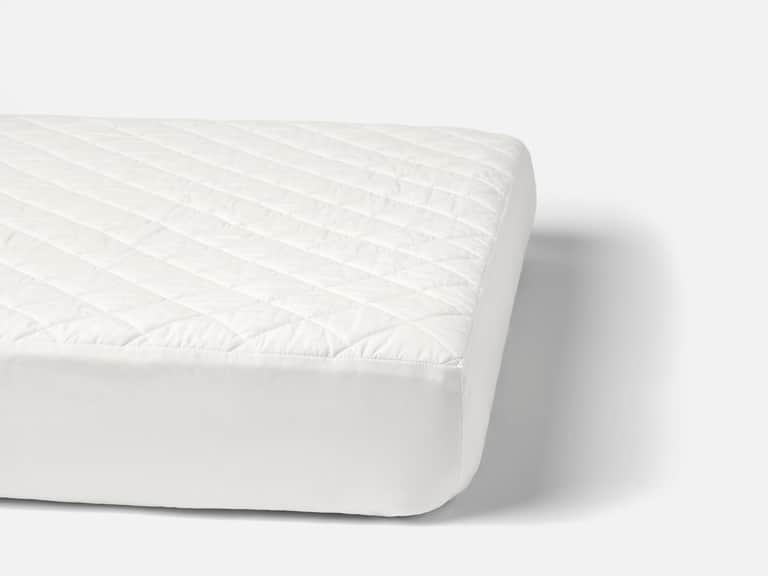
Among the bedding options in the current product catalog, the Organic Crib Mattress Pad stands out for its commitment to 100% organic cotton, GOTS certification, and thoughtful construction. While designed for cribs, its emphasis on a breathable, hypoallergenic, and machine-washable design provides a useful reference point for understanding how materials, care, and safety standards converge in high-quality bedding components.
If you’re researching toppers and comfort layers, this crib pad example highlights priorities—organic materials, gentle construction, and practical care—that can inform your decisions about toppers intended for adults: material purity, breathing capacity, and easy maintenance.
Product snapshot:
- Name: Organic Crib Mattress Pad
- Brand: Coyuchi
- Materials: 100% organic cotton inside and out
- Construction: Two-inch quilted squares; 220 percale cover
- Certifications: GOTS certified
- Care: Machine wash cold; tumble dry low
- Dimensions: 28" H x 52" W

